
Hashrate Verification
Pool-reported and metered draw compared against manufacturer sheets for units above 0.05 PH/s.
Wonju · South Korea · 0.05 PH/s Baseline
We review Antminer, Whatsminer, AvalonMiner, and other ASIC families operators already recognize — comparing real hashrate, power draw, and cooling demands for Korean grid conditions.
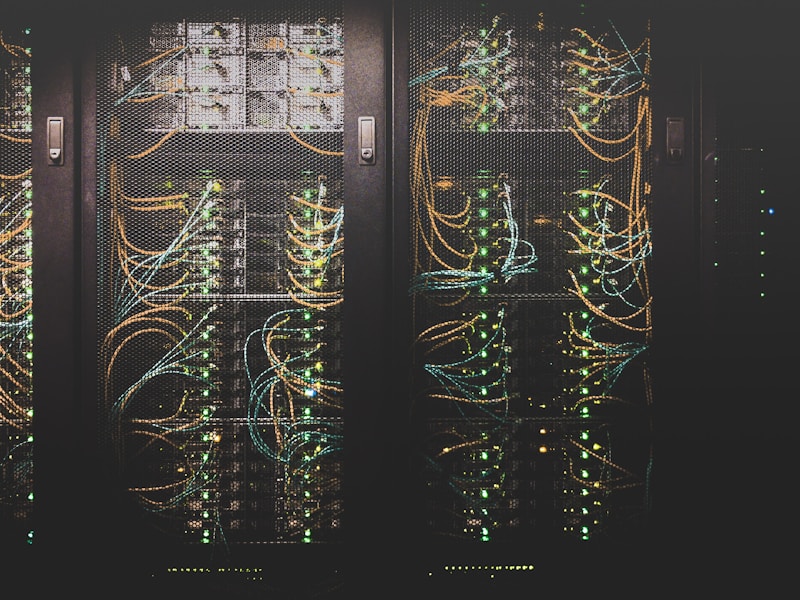
Pool-reported and metered draw compared against manufacturer sheets for units above 0.05 PH/s.

Ambient swing tests and fan-curve notes for Korean summer humidity profiles.

Which stratum endpoints and firmware branches behave predictably on your VLAN layout.
A structured visit to your facility or our Wonju review bench. We walk through one or two miner families you are weighing — power cabling, breaker sizing, noise limits, and expected daily coin output at your tariff.
Deliverable: a written comparison with hashrate confidence bands, not a sales brochure from any manufacturer.
Full Assessment DetailsWe were split between S19 XP and M50S for a 0.12 PH/s expansion. The report spelled out breaker loads we had underestimated — saved us a rewiring pass before machines arrived.
— Hyeon Park, small farm near Chuncheon
More Operator StoriesThe Whatsminer section was thorough. I still think their noise figures are optimistic for our tin roof shed, but the humidity notes were spot-on for July.
— Min-soo Jeong, hobby operator, Wonju outskirts
How S19 XP, S19k Pro, and S19j Pro daily power costs diverge when your meter hits industrial bands in Gangwon.
Acoustic and humidity observations on M50S batches in uninsulated sheds — where factory noise sheets meet tin roofs.
Below this band, tariff and cooling math behaves differently — here's how we scope visits when you name your target.